

Single vs Dual-Income Property: Buyer Advice on the Best Investment Choice
-
 By ddinvestmentsadmin
 -
 January 20, 2026
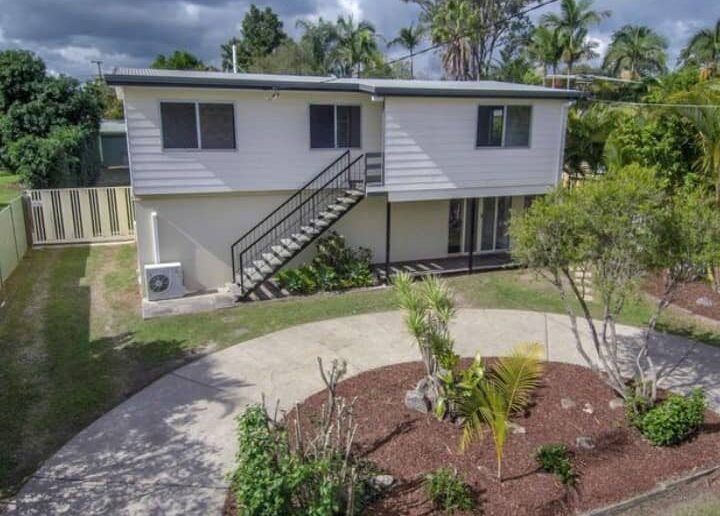
If you are buying an investment property in Australia right now, there is a good chance you have asked yourself this question already. Is it better to keep things simple with a single-income property, or should you stretch for a dual-income setup and aim for stronger cash flow?
There is no universal right answer. The better option depends on your goals, your risk tolerance, your borrowing capacity, and how hands-on you want to be as an investor.
What matters is understanding the real differences between the two, not just the headline rental figures.
What do we mean by single-income and dual-income property?
Before comparing returns, it is important to be clear on definitions.
A single-income property typically refers to:
- A standalone house
- A townhouse or apartment leased to one household
- One dwelling on one title, generating one rental income
A dual-income property usually refers to:
- A house with a self-contained granny flat
- A dual occupancy or duplex configuration
- Two separate dwellings on one site, generating two rental incomes
On paper, dual-income properties often look more attractive because they generate more rent. In practice, the structure, approvals, and quality of the second dwelling matter just as much as the number of incomes.
Weighing up a single vs dual income investment property in Queensland or Victoria? At Dual Dwelling Investments, we help buyers compare returns, risk profiles, and long-term growth potential so you can choose the investment structure that best suits your goals.
Why single-income properties remain popular with buyers
Despite all the buzz around dual-income investing, single-income properties still dominate the Australian market. There are good reasons for this.
Simplicity is a major advantage
Single-income properties are generally easier to:
- Understand
- Finance
- Insure
- Manage
There is only one tenant relationship to manage, one lease, and fewer moving parts. For first-time investors, that simplicity can reduce stress significantly.
Broader buyer appeal
When it comes time to sell, single-income properties usually appeal to:
- Owner-occupiers
- First-home buyers
- Downsizers
- Investors
This wider buyer pool can make resale easier and help protect long-term capital growth, particularly in established suburbs with strong owner-occupier demand.
Lower upfront complexity
Single-income properties usually involve:
- Fewer council and planning considerations
- Simpler building inspections
- More straightforward valuations
For buyers who value predictability and a smoother purchase process, this can be a big drawcard.
Where single-income properties can fall short
The biggest limitation of a single-income property is cash flow.
In many Australian markets:
- Rental yields are modest
- Interest rates can put pressure on holding costs
- Investors rely heavily on capital growth to justify the purchase
If rents soften or interest rates rise, a single-income property can quickly move from neutral to negatively geared. That is not necessarily a problem, but it does require confidence in long-term growth and personal cash flow capacity.
Why dual-income properties attract investors
Dual-income properties have grown in popularity, particularly among buyers focused on cash flow and portfolio scalability.
Stronger rental income potential
Two dwellings usually mean:
- Higher total rent
- Improved yield compared to a standard house
- Better ability to cover mortgage repayments and expenses
For some investors, this can be the difference between holding comfortably and constantly topping up the loan.
Risk spread across two tenancies
With two separate incomes:
- Vacancy risk is reduced
- If one dwelling is vacant, the other can still generate income
- Cash flow tends to be more resilient
This can be especially appealing in markets with fluctuating rental demand
Flexibility in how the property is used
Dual-income properties can offer flexibility over time, such as:
- Living in one dwelling and renting out the other
- Renting both dwellings separately
- Using one dwelling for extended family in the future, subject to approvals
That adaptability can add long-term value if your circumstances change.
The hidden risks of dual-income investing
While dual-income properties can look great on a spreadsheet, they come with risks that buyers must actively manage.
Approval and compliance risk
One of the most common mistakes investors make is assuming that a second dwelling is fully approved.
Issues can arise if:
- The granny flat or second dwelling is not approved as a separate residence
- The approval does not match how the dwelling is actually built
- The property is marketed as dual-income without clear documentation
This can affect financing, insurance, and resale value.
Higher management and maintenance demands
Two dwellings mean:
- Two sets of tenants
- More wear and tear
- More plumbing, electrical systems, and appliances to maintain
While the income is higher, so are the responsibilities. Investors should budget accordingly rather than assuming costs scale neatly.
Narrower buyer pool at resale
Dual-income properties often appeal primarily to:
- Investors
- Multi-generational families
Owner-occupiers without an investment focus may be less interested, depending on layout and location. This does not make dual-income properties hard to sell, but it does mean buyer demand can be more specialised.
Comparing cash flow, growth, and risk side by side
To choose between single-income and dual-income property, it helps to look beyond rent alone.
Cash flow
- Single-income properties usually deliver lower yields but simpler cash flow.
- Dual-income properties typically offer stronger rental income and better holding ability, assuming both dwellings are well designed and tenanted.
Capital growth
- Single-income properties in established, owner-occupier-heavy suburbs often perform well over the long term.
- Dual-income properties can still achieve growth, but location, land value, and build quality play a bigger role in protecting future demand.
Risk profile
- Single-income properties carry less structural and compliance risk.
- Dual-income properties require more due diligence but can reduce income volatility once set up correctly.
Finance and valuation considerations buyers often overlook
Financing is where the difference between theory and reality becomes clear.
Some lenders:
- Are conservative when valuing dual-income properties
- May not fully recognise the second income if approvals are unclear
- Apply stricter lending criteria to non-standard properties
Single-income properties are generally easier to finance and value because they fit neatly into standard lending models.
For dual-income purchases, working with a broker who understands this property type can make a significant difference.
Which option suits different buyer types?
There is no single “best” choice, but patterns do emerge.
Single-income property may suit you if:
- You are a first-time investor
- You prefer simplicity and lower complexity
- You are focused on long-term capital growth
- You want maximum resale flexibility
Dual-income property may suit you if:
- Cash flow is a priority
- You are comfortable with additional due diligence
- You plan to build a portfolio rather than hold one property
- You want income resilience across different market cycles
Considering a dual income investment property in Melbourne, Geelong, or Brisbane but unsure if it’s right for you? With our in-depth understanding of both single-dwelling and dual occupancy investment strategies, Dual Dwelling Investments provides clear, buyer-focused advice backed by real-world project experience.
Questions buyers should ask before deciding
Before committing to either strategy, it is worth asking yourself:
- Am I buying primarily for income, growth, or a balance of both?
- How comfortable am I managing complexity?
- Can I comfortably service the loan if rents change?
- Do I understand the approvals and structure of the property I am buying?
- How important is resale flexibility in my long-term plan?
Honest answers to these questions often point clearly in one direction.
Why strategy matters more than property type
Many buyers get stuck debating single versus dual income, when the real issue is strategy.
A poorly chosen dual-income property can underperform a well-located single-income home. Likewise, a carefully selected dual-income property can outperform multiple standard houses from a cash flow perspective.
The difference usually comes down to:
- Quality of advice
- Due diligence
- Alignment between the property and the buyer’s goals
This is where specialist guidance can be valuable, particularly if you are considering dual-income investments.
If you want to explore this further, you may find these reads helpful:
- What Are Dual Occupancy Properties, and Are They Worth the Investment?
- Pros and Cons of Investing in Dual Occupancy Properties
Final thoughts
Single-income and dual-income properties are not competing teams. They are tools.
The best investment choice is the one that fits your financial position, risk tolerance, and long-term plan. When buyers take the time to understand both options properly, the decision becomes far less confusing and far more strategic.
If you are weighing up single versus dual-income property and want clarity before you buy, speak with Dual Dwelling Investments. Our team helps buyers assess their goals, understand risk, and choose investment strategies that make sense for their future, not just today’s numbers. Get in touch with us today.
Recent Post
-
 The Step-by-Step Process for Purchasing a Second Dwelling Site
If you’ve been researching dual income property strategies, chances are you’ve come across the idea of building a second dwelling....
Read More
-
 Common Mistakes Buyers Make When Purchasing a Second Dwelling Property
Thinking about buying a second dwelling property in Australia? Did you know that granny flats have become one of the...
Read More
-
 How Buyers Can Minimise Risk in Multi-Dwelling Property Purchases
Buying a multi-dwelling property can be a smart move. You get multiple income streams, better land utilisation, and more ways...
Read More
-
 Choosing the Right Location for Your Granny Flat: A Buyer’s Guide
Ever wondered why some granny flats deliver impressive rental yields while others barely break even? The answer often lies in...
Read More