
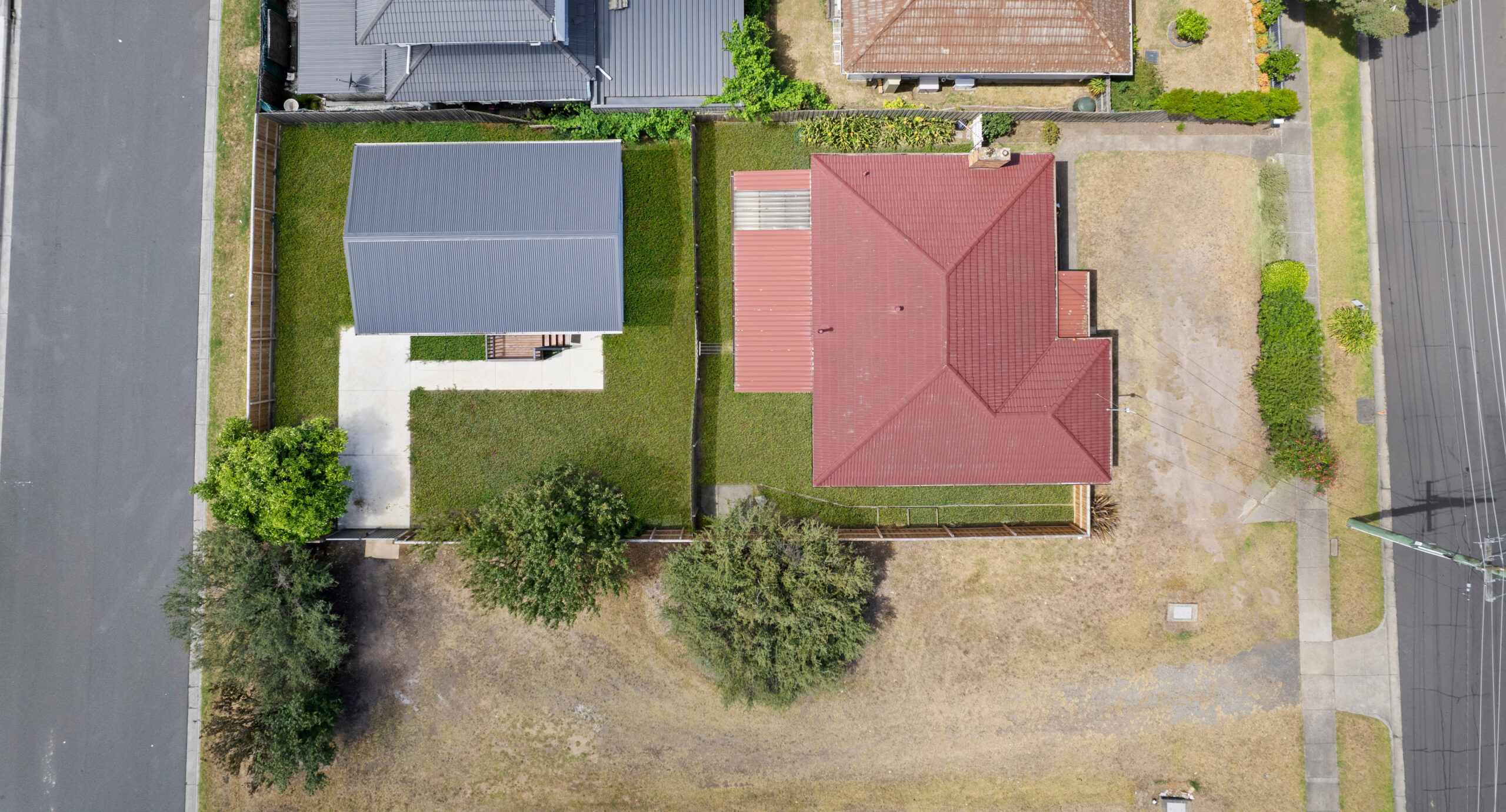
Choosing the Right Location for Your Granny Flat: A Buyer’s Guide
-
 By ddinvestmentsadmin
 -
 October 31, 2025
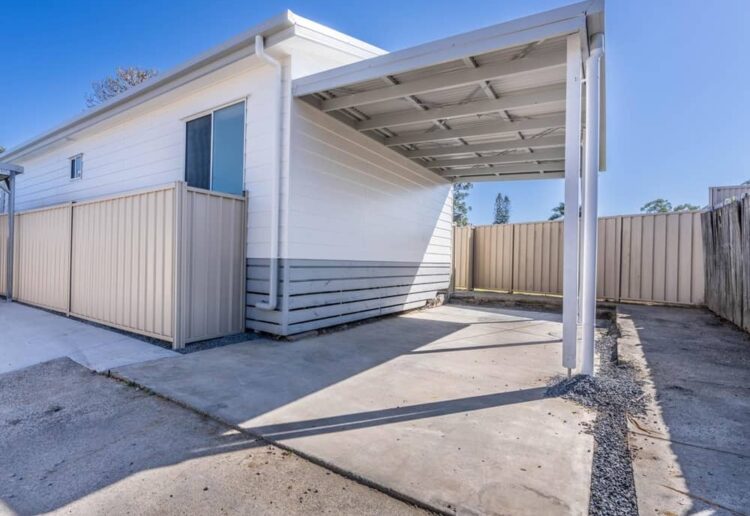
Ever wondered why some granny flats deliver impressive rental yields while others barely break even? The answer often lies in one thing location.
Whether you’re a first-time investor or expanding your property portfolio, choosing the right location for your granny flat is one of the smartest (and most strategic) moves you can make.
This guide breaks down everything you need to know from local council regulations and zoning to infrastructure, tenant demand, and long-term growth potential so you can make an informed investment decision.
Why Location Matters More Than You Think
You’ve probably heard it before: location, location, location. But when it comes to granny flat investments, the saying holds even more weight.
The location of your secondary dwelling influences:
- Your rental return: Areas with strong tenant demand and limited affordable housing options tend to yield higher weekly rents.
- Capital growth: Suburbs positioned for infrastructure upgrades or population growth generally appreciate faster.
- Council approvals: Each council has its own planning overlays, zoning requirements, and lot size restrictions.
- Lifestyle appeal: Tenants care about proximity—schools, transport, healthcare, and shopping are major drawcards.
If you’re serious about maximising both short-term rental income and long-term property value, you can’t afford to treat location as an afterthought.
Looking for a granny flat investment property in Brisbane, Geelong, or Melbourne? At Dual Dwelling Investments, we pride ourselves on delivering a stress-free property buying experience backed by our extensive industry knowledge and proven track record.
Step 1: Understand Local Council Rules
Before falling in love with a block of land, it’s worth doing your homework on local regulations.
Each council has its own rules around:
- Minimum lot sizes for granny flat approval
- Setback requirements (distance from property boundaries)
- Parking spaces
- Maximum floor area—typically capped around 60m² in most states
- Private open space and landscaping ratios
For example, while New South Wales allows secondary dwellings on most residential blocks under the State Environmental Planning Policy (SEPP), other states may require full development approval.
Understanding these local differences early on can save you weeks of frustration and thousands in redesign costs.
If you want to explore the full process, our Start-to-Finish Guide to Profitable Granny Flat Investments breaks down every approval step in detail.
Step 2: Analyse the Suburb’s Rental Potential
Once you’ve narrowed down suitable councils, look closely at the suburb’s rental market.
Key factors to assess include:
- Vacancy rates: Lower rates signal high rental demand.
- Median rent: Compare similar granny flats or one-bedroom units.
- Demographics: Young professionals, students, and retirees are the most common granny flat tenants.
- Nearby amenities: Proximity to hospitals, universities, and transport hubs boosts appeal.
- Employment opportunities: Areas near commercial zones or industrial estates attract long-term tenants.
A simple rule of thumb: look for balance. Suburbs that are affordable but still within commuting distance of major employment centres tend to outperform purely outer-suburban or high-end areas.
If you’re unsure where to start, check out our blog on Buying Dual-Occupancy Property: Here’s What to Check it covers essential research tips every investor should know.
Step 3: Assess Infrastructure and Growth
Infrastructure drives both demand and property value. When councils invest in transport links, schools, and amenities, people follow and so do higher rents.
Watch for:
- New transport projects like rail upgrades, highways, or light-rail lines
- Educational hubs such as new TAFEs or universities
- Retail and community developments—shopping centres, parks, and entertainment precincts
- Government incentives for housing or infill development
For example, suburbs on the fringe of major cities—like those around Greater Sydney’s west or Brisbane’s outer north—have seen enormous value growth thanks to new transport corridors.
A granny flat in an emerging suburb often costs less upfront but appreciates faster, making it an ideal long-term investment strategy.
Searching for a multi dwelling investment property in Geelong or Brisbane? With our end-to-end project management and deep understanding of dual occupancy developments across key Australian regions, we’ll guide you through every step – from property selection to construction completion.
Step 4: Look for Dual-Income Opportunities
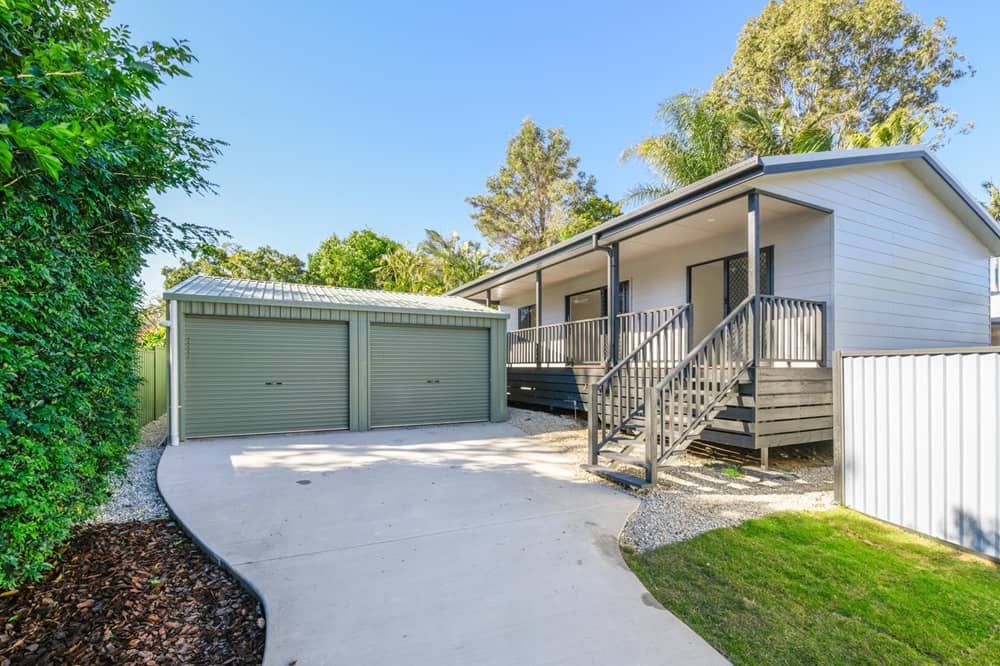
If your goal is wealth building, consider pairing your granny flat with a dual-occupancy property.
Dual-occupancy setups (a main home plus a self-contained secondary dwelling) allow you to:
- Earn two rental incomes from one land title
- Diversify tenant types—a family in the main home and a student or retiree in the flat
- Reduce holding costs through consistent rental cash flow
- Increase resale value—dual-income properties often attract investors, not just homeowners
Our article on Dual Occupancy vs Granny Flat: What’s Best for You? explores which setup delivers better returns based on your financial goals.
If managed well, a dual-occupancy investment can future-proof your portfolio and accelerate your journey toward passive income.
Step 5: Don’t Ignore Lifestyle and Liveability
Even if you’re not planning to live in the property, someone else will.
Granny flats that attract long-term tenants share a few common traits:
- Quiet, safe neighbourhoods
- Access to public transport and main roads
- Shops and supermarkets within a short drive
- Nearby medical centres and schools
- Recreational spaces such as parks, gyms, and walking trails
These amenities may seem obvious, but they directly influence how quickly you’ll find tenants and how much rent you can charge.
Tip: Use online suburb profiles from CoreLogic, REA Group, or local councils to see liveability scores and amenity maps before you commit.
Step 6: Weigh Up Urban vs Regional Locations
When it comes to location, investors often ask: Should I build my granny flat in the city or a regional area?
There’s no one-size-fits-all answer, but here’s how they compare:
Urban Locations:
- Higher property prices but strong rental demand
- Closer to major employment hubs
- Better access to transport and amenities
- Lower yields but stronger capital growth potential
Regional Locations:
- Lower land and build costs
- Increasing demand from remote workers and retirees
- Often yield higher rental returns
- Potentially fewer tenants if the economy is narrow or seasonal
If your strategy is steady cash flow, regional areas might win. If you’re playing the long game and prioritising capital growth, stick closer to metro corridors.
Step 7: Understand Market Timing
Just like any investment, timing plays a crucial role.
Watch for these signs that a suburb is heating up:
- Rising sales volumes and decreasing days on market
- New infrastructure announcements
- Steady population growth
- Low vacancy rates
- Multiple new developments underway
If you buy before a major infrastructure project (like a new train station or highway), you could benefit from early capital growth.
However, be wary of suburbs already at their peak—high competition and inflated prices can make rental yields drop.
Step 8: Think About Your Exit Strategy
Every smart investor has an exit plan. Even if you intend to hold long-term, consider how easily you can sell or repurpose the property later.
A well-located granny flat offers flexibility:
- You can rent both dwellings for passive income.
- Live in one and lease the other.
- Sell the main house while keeping the flat (if titles are subdivided).
- Market it as a dual-income property for investor buyers.
Choosing a desirable location increases not just your return—but your options.
Step 9: Get Professional Support
Finding the right location is part art, part science. That’s why many investors rely on buyer’s advocates who specialise in dual-occupancy and granny flat investments.
An expert can:
- Identify high-growth areas before they appear on the radar
- Analyse council regulations and zoning constraints
- Source off-market properties suitable for secondary dwellings
- Negotiate purchase prices and contracts
- Coordinate with builders and property managers
At Dual Dwelling Investments, we help buyers cut through the complexity and secure below-market opportunities. If you’re feeling uncertain about where to buy or how to structure your investment, getting professional guidance can make all the difference.
Common Mistakes to Avoid When Choosing a Granny Flat Location
Even experienced investors make these missteps:
- Ignoring council restrictions until after purchase
- Underestimating site access for construction
- Choosing overly remote areas with limited tenant demand
- Failing to budget for infrastructure contributions or connection fees
- Not researching comparable rental data before setting rent prices
Avoiding these pitfalls can save you from costly delays and ensure your investment delivers consistent returns from day one.
Ready to Find the Perfect Granny Flat Location?
Choosing the right location for your granny flat isn’t about luck—it’s about strategy. When you balance council compliance, infrastructure potential, tenant appeal, and growth trends, you position yourself for long-term success.
A granny flat built in the right place can serve multiple purposes: a reliable income stream today, a retirement plan tomorrow, and a valuable asset for years to come.
Whether you’re building a new investment property or adding a secondary dwelling to your existing home, Dual Dwelling Investments can help you make confident, profitable decisions.
We’ll analyse your goals, research the best-performing areas, and connect you with trusted builders and advisors who understand the Australian property landscape inside out.
Reach out today to start your journey toward smarter, more strategic property investment.
Recent Post
-
 The Step-by-Step Process for Purchasing a Second Dwelling Site
If you’ve been researching dual income property strategies, chances are you’ve come across the idea of building a second dwelling....
Read More
-
 Single vs Dual-Income Property: Buyer Advice on the Best Investment Choice
If you are buying an investment property in Australia right now, there is a good chance you have asked yourself...
Read More
-
 Common Mistakes Buyers Make When Purchasing a Second Dwelling Property
Thinking about buying a second dwelling property in Australia? Did you know that granny flats have become one of the...
Read More
-
 How Buyers Can Minimise Risk in Multi-Dwelling Property Purchases
Buying a multi-dwelling property can be a smart move. You get multiple income streams, better land utilisation, and more ways...
Read More