
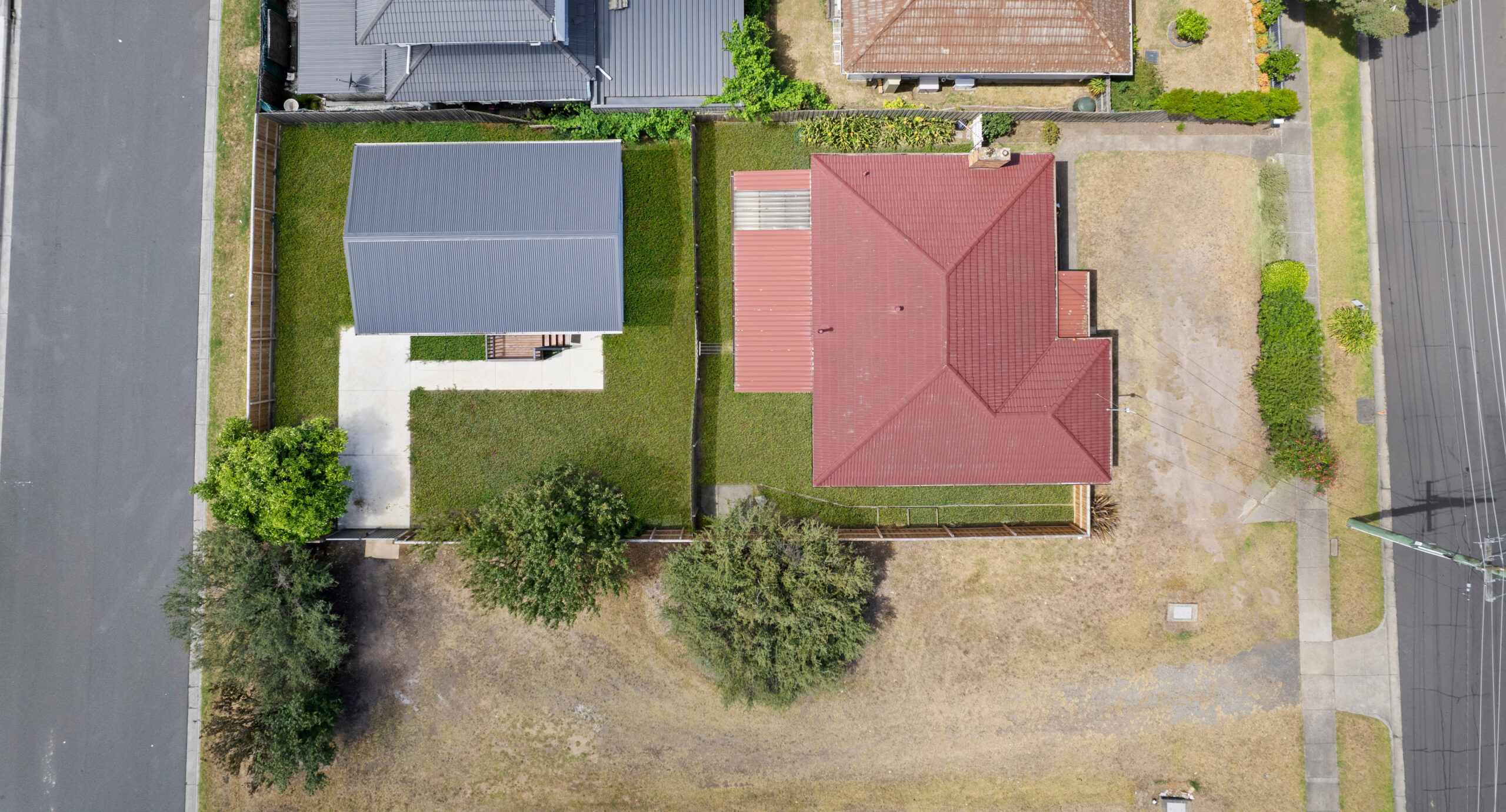
How Buyers Can Minimise Risk in Multi-Dwelling Property Purchases
-
 By ddinvestmentsadmin
 -
 November 28, 2025
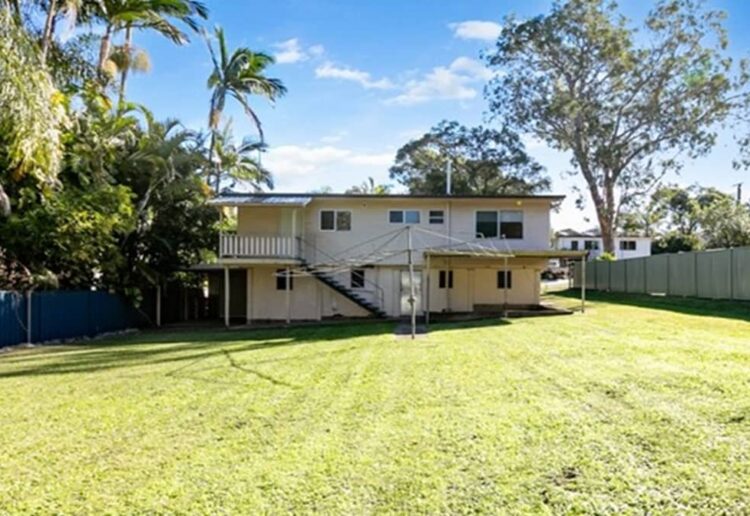
Buying a multi-dwelling property can be a smart move. You get multiple income streams, better land utilisation, and more ways to add value over time. But compared to a standard house, there are more moving parts, which means more places for surprises to pop up.
The good news is that most of the big risks are predictable. If you know what to check for, when to check it, and who should be advising you, you can reduce “unknowns” dramatically and buy with confidence.
What counts as a “multi-dwelling” purchase?
- One title, two dwellings (for example a house and a self-contained granny flat, or a second dwelling at the rear).
- Dual occupancy or duplex (two dwellings on one site, depending on approvals and how it’s titled).
- Small unit blocks or multi-unit sites (usually more complex again).
The risk profile changes based on how the property is approved and titled. A two-dwelling site can look identical in photos, but the legal structure behind it can be completely different.
If you’re still weighing up what type suits you best, you might also like:
- What Are Dual Occupancy Properties, and Are They Worth the Investment?
- Pros and Cons of Investing in Dual Occupancy Properties
- How to Secure a Below-Market Second Dwelling Investment Property with Expert Help
The biggest risks buyers face (and what they really look like in practice)
Most buyer headaches fall into six buckets:
1) Approval risk (is the second dwelling actually lawful?)
This is the number one trap.
A property can be advertised as “dual living” or “two incomes” but the second dwelling may be:
- Approved as something else (for example a studio, not a second dwelling).
- Approved, but built differently to the approved plans.
If the approval isn’t right, the downstream issues can include insurance problems, lease issues, valuation shortfalls, and expensive rectification.
2) Title and ownership risk (what do you actually own?)
In Australia, the title structure drives your control, costs, and responsibilities. For example, strata can introduce levies, by-laws, and shared maintenance, while Torrens title is typically more autonomous.
In Queensland, the survey plan format (for example building format plan vs standard format plan) affects maintenance responsibilities and what’s considered common property.
3) Building and compliance risk (fire separation, services, defects)
With two dwellings you’ll often see additional compliance requirements and more service infrastructure (electrical, plumbing, stormwater). If the build quality is poor, the repair bill can be bigger than buyers expect.
A pre-purchase building inspection is still a must, ideally aligned with the Australian Standard commonly used for residential pre-purchase inspections (AS 4349.1).
4) Rental and cash flow risk (can you actually achieve the two incomes?)
Two dwellings does not automatically mean two quality tenancies. If the granny flat is dark, noisy, poorly accessed, or lacks privacy, the rent may fall short or vacancy may be higher.
5) Finance and valuation risk (will your lender value it the way you think?)
Some lenders are conservative with “non-standard” dual income properties. If one dwelling is not approved, valuers may discount it heavily or ignore that income stream altogether.
6) Exit risk (will future buyers be comfortable with the setup?)
Even if you’re buying to hold, you want options. The easiest multi-dwelling properties to sell are the ones with clean approvals, sensible layouts, and straightforward ownership structures.
Searching for a dual occupancy investment property in Melbourne or Geelong? With our deep understanding of planning requirements, build feasibility, and local market performance, Dual Dwelling Investments supports buyers at every stage, from due diligence through to construction and final handover.
A step-by-step due diligence framework that minimises risk
Step 1: Confirm exactly what the property is (before you fall in love with it)
Before you negotiate hard, get clear answers to these three questions:
1) What is on the site?
- Two separate kitchens?
- Separate meters?
- Separate entries and private outdoor areas?
- Any shared driveways or shared services?
2) What is it approved as?
Ask for:
- The occupancy permit / certificate of occupancy (wording varies by state).
- The approved plans.
- Any building permits and final inspection sign-offs.
3) How is it titled?
Ask your conveyancer/solicitor to confirm whether it’s:
- Torrens title (single title).
- Strata/community title (shared obligations).
- Another structure relevant to your state.
Tip: If an agent says “should be fine” or “it’s been rented like that for years”, treat that as a signal to verify, not reassurance.
Step 2: Make council and planning checks non-negotiable
Multi-dwelling buyers should always confirm:
- Zoning and overlays (what is permitted, and what is restricted).
- Whether the second dwelling is recognised by council records.
- Any conditions attached to approvals (parking, access, private open space, services).
Rules vary by state and local council. For example, Victoria has specific guidance around “small second homes” (up to 60 m²) and when planning permits may or may not be required, depending on overlays and controls.
You’re not trying to become a town planner. You’re trying to prevent the classic expensive mistake: buying a “two-dwelling” property that is actually a one-dwelling property with an unapproved add-on.
Step 3: Treat building and pest inspections as your early warning system
With two dwellings, your inspection scope should include:
- Both kitchens, bathrooms, wet areas.
- Subfloor and roof spaces where accessible.
- Evidence of water ingress, drainage problems, and movement.
- Separation between dwellings (acoustic, fire-rated elements where relevant).
- Any DIY conversions (garage to flat, shed to studio, etc.).
Use an inspector who is experienced with dual-living setups and produces a report consistent with recognised pre-purchase inspection standards.
If anything big is flagged, don’t just “note it”. Price it. Get quotes. Then decide.
Planning to purchase a multi dwelling investment property in Queensland or Victoria? At Dual Dwelling Investments, we focus on strategic locations, realistic feasibility assessments, and transparent project management so buyers can invest with confidence, not uncertainty.
Step 4: Verify services and “who pays for what”
This is where multi-dwelling properties often hide annoying surprises.
Check:
- Water: separate meter or shared? if shared, how will usage be recovered fairly?
- Electricity: separate meter, sub-meter, or single supply?
- Gas: any shared connections?
- Stormwater: evidence of overflow or backyard pooling?
- NBN: can both dwellings connect easily?
If it’s a strata/community title scenario, also confirm maintenance responsibilities and common property boundaries. In Queensland, plan format can materially affect what the body corporate must maintain versus what lot owners maintain.
Step 5: Stress test the numbers
A proper risk-minimising feasibility includes:
Conservative rent assumptions
- Use realistic rents for each dwelling.
- Account for vacancy (even a couple of weeks each year).
- Include property management fees and letting fees.
Higher maintenance allowance
Two dwellings generally means:
- More appliances.
- More hot water systems (or larger systems).
- More plumbing, more call-outs.
Insurance confirmation
Confirm the insurer is comfortable with:
- Two self-contained dwellings.
- Separate tenancies (if that’s the plan).
- Any shared structures or access.
Tax basics (don’t guess)
Investment property deductions can be valuable, but don’t “assume” outcomes. For example, the ATO provides guidance on capital works deductions and depreciating assets in rental properties, and these rules depend on construction dates and usage. A good accountant can help you structure correctly from day one.
Step 6: Put the right conditions in the contract
This is where buyers either protect themselves or leave themselves exposed.
Your conveyancer/solicitor can guide you, but common protections include:
- Finance clause (with enough time for valuation).
- Building and pest clause covering both dwellings.
- Due diligence clause (if available/appropriate in your state).
- Special conditions to obtain and verify approvals, certificates, or strata records.
The point is not to complicate the deal. It’s to ensure you can exit the contract if a core assumption proves false.
A practical “red flag” checklist
You don’t need a 40-point spreadsheet every time. But you should pause and dig deeper if you see:
- The second dwelling has a full kitchen but no clear approval paperwork.
- “Dual income” is mentioned, but the listing avoids the word “approved”.
- Visible DIY conversions (garage, patio, shed).
- Shared utilities with no clear way to split usage.
- Odd access (tenants walking through each other’s space).
- Unclear title structure or surprise strata/body corporate discussions late in the process.
Red flags don’t always mean “walk away”. They mean “verify, price the risk, or negotiate accordingly”.
How to reduce risk even further: use specialists early
The cheapest time to get expert advice is before you exchange.
Consider involving:
- A property-savvy conveyancer/solicitor (multi-dwelling experience matters).
- A building inspector who understands dual-living compliance risks.
- A broker who can pre-assess lender appetite for the property type.
- An accountant who can advise on structure and deductions.
If you want a smoother purchase journey, it also helps to work with a team that specialises in dual dwelling investments and understands the common traps buyers fall into.
For a deeper read on making the process easier, check out How to Make Dual Occupancy Investment Property Stress-Free (with Expert Help) on Dual Dwelling Investments.
The goal is not “zero risk”, it’s “no nasty surprises”
All property investing has risk. Multi-dwelling purchases just concentrate more variables into one deal. Your job as a buyer is to turn uncertainty into clarity before settlement.
If the approvals are clean, the title is understood, the building checks out, and the numbers work under conservative assumptions, you’re no longer hoping. You’re deciding.
If you’re considering a multi-dwelling purchase and want help identifying the best opportunities while avoiding costly mistakes, reach out to Dual Dwelling Investments. We can help you assess the property type, approvals, and strategy so you buy with confidence and a clear plan for returns. Contact us today.
Recent Post
-
 Common Mistakes Buyers Make When Purchasing a Second Dwelling Property
Thinking about buying a second dwelling property in Australia? Did you know that granny flats have become one of the...
Read More
-
 Choosing the Right Location for Your Granny Flat: A Buyer’s Guide
Ever wondered why some granny flats deliver impressive rental yields while others barely break even? The answer often lies in...
Read More
-
 Top 5 Reasons a Buyer’s Advocate Recommends Granny Flat Investments
Have you ever wondered why so many Australians are talking about granny flats? Once seen as a space for ageing...
Read More
-
 How to Secure a Below-Market Second Dwelling Investment Property with Expert Help
Australia’s property landscape is evolving, and the ability to add a second dwelling to your property (think a granny flat,...
Read More