
Duplex (Granny Flat) vs Dual Occupancy: What’s the Difference?
-
 By ddinvestmentsadmin
 -
 July 25, 2025
If you’re exploring property investment opportunities or considering adding extra living space to your property, you’ve probably come across terms like “duplex,” “granny flat,” and “dual occupancy.”
While these terms are often used interchangeably in casual conversation, they represent distinctly different property types with unique benefits, regulations, and investment potential.
Understanding these differences could be the difference between maximising your property’s value or missing out on significant opportunities. Let’s break down exactly what each term means and why it matters for your next property decision.
Understanding the Basics
Before diving into the specifics, it’s important to understand that property terminology can vary between states and councils across Australia. What’s called a “duplex” in one area might be referred to as a “dual occupancy” in another, adding to the confusion.
The fundamental difference lies in titles and subdivision potential.
A dual occupancy is defined as two dwellings on one lot of land, whether they’re attached or detached. These properties remain on a single title unless they’re later subdivided. A duplex, on the other hand, typically refers to two dwellings that have been or can be subdivided into separate titles, allowing each property to be sold independently.
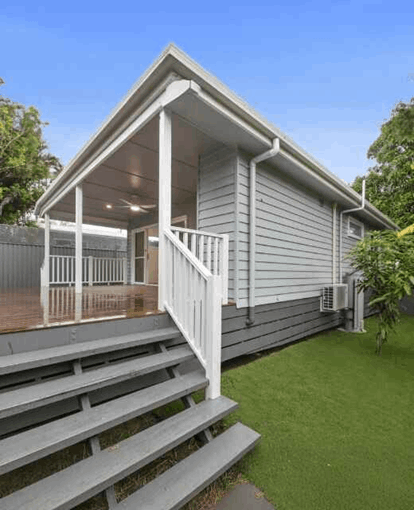
A granny flat—also known as a secondary dwelling—is something different altogether. It’s a self-contained dwelling built in conjunction with a main dwelling on the same lot, with a maximum floor area typically around 60 square metres.
What is a Dual Occupancy?
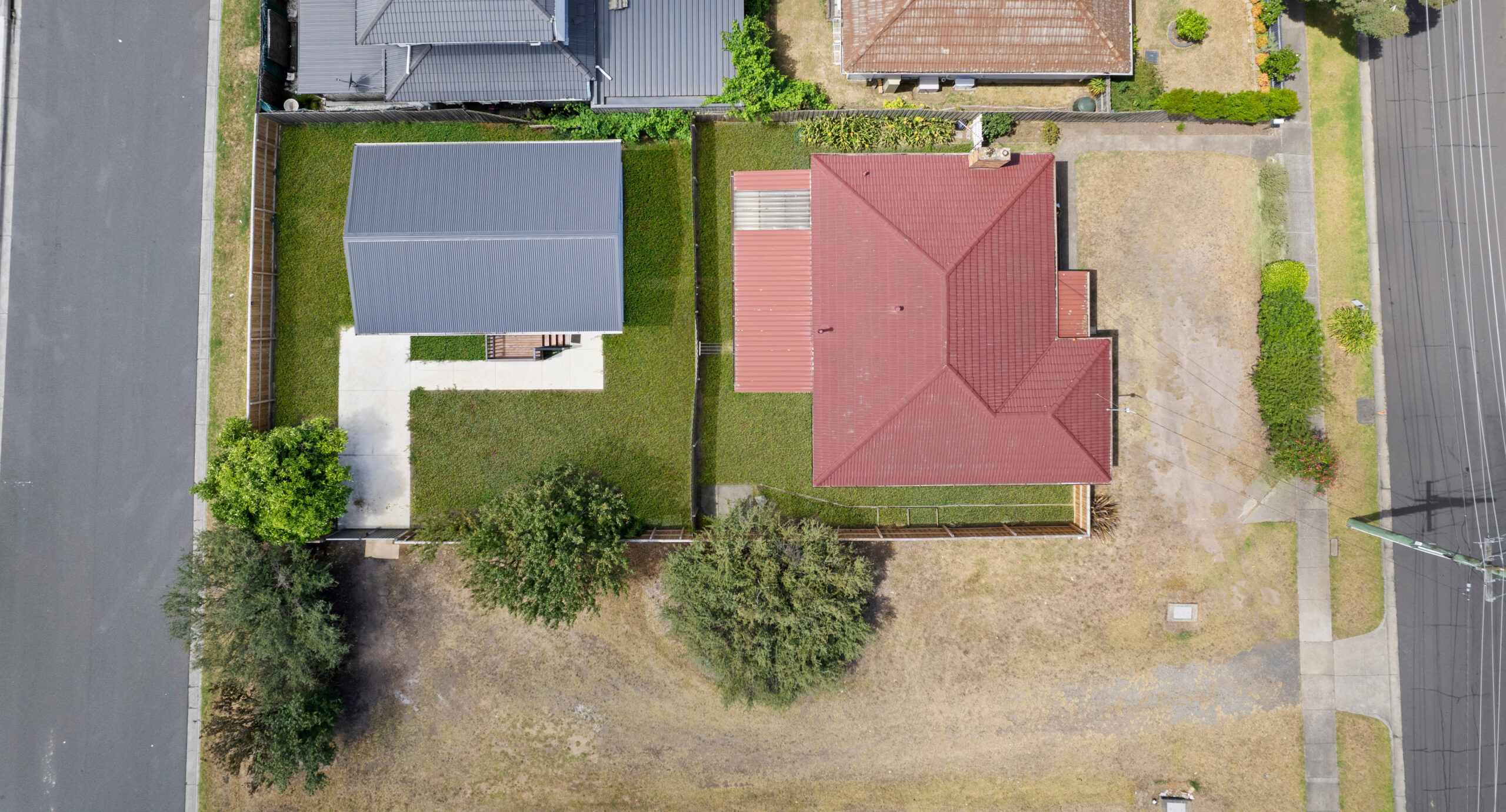
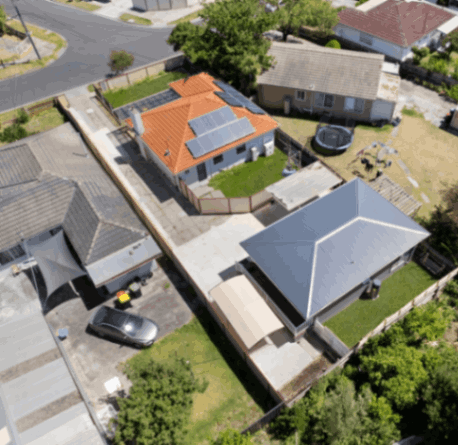
Dual occupancies are 2 homes built on one lot of land. The homes can be either attached or detached. This arrangement gives property owners flexibility in how they configure their development based on lot size and shape.
Types of Dual Occupancy
Attached Dual Occupancy: These consist of 2 dwellings on one lot of land that are attached to each other, characterised by the fact that the 2 dwellings share a common wall in a semi-detached configuration. They typically sit side-by-side and both face the street, maintaining a symmetrical appearance that blends well with existing neighbourhoods.
Detached Dual Occupancy: These feature two separate dwellings on one lot that don’t share walls. The dwellings can be arranged either side-by-side or front-to-back. Side-by-side arrangements work well on corner lots where each dwelling can face a different street, while front-to-back configurations suit narrow, deep lots.
Also Read: What Should I Look For When Buying Dual-Occupancy Properties?
Searching for a multi dwelling investment property in Geelong or Brisbane? With our end-to-end project management and deep understanding of dual occupancy developments across key Australian regions, we’ll guide you through every step – from property selection to construction completion.
What is a Duplex?
While a duplex might look identical to an attached dual occupancy, the key difference lies in ownership structure. A duplex is considered two dwellings and has separate titles. Often, a duplex will be on land already subdivided and can be sold separately.
This distinction is crucial for investors and property owners because it affects:
- Sale flexibility: Each dwelling can be sold independently
- Financing options: Separate mortgages can be obtained for each property
- Capital growth potential: Individual properties may appreciate differently
- Rental strategies: Each property can be managed separately
Subdivision Options
When you build a dual occupancy, you have options for creating separate titles later. You can do that in two different ways. The first is what we call strata subdivision. The second is the Torrens title subdivision.
Torrens Title Subdivision: A Torrens title subdivision is usually the best because it often attracts the highest end value and sale price. This creates completely separate freehold titles, giving each owner full control over their property and land.
Strata Subdivision: This option can be more cost-effective for site works but involves shared ownership of common areas and requires ongoing strata management.
What is a Granny Flat (Secondary Dwelling)?
A granny flat is considered a secondary dwelling on the existing property and is intended for use by members of the family or extended family. At no time can a secondary dwelling be sold separately to the main dwelling.
Key Characteristics
- Size limitation: the maximum size of a secondary dwelling, like a granny flat, is 60sqm
- Site requirements: The property must have a minimum area of 450m², and there must be a 12m width at the building line of the existing dwelling
- No subdivision potential: Unlike dual occupancy, granny flats cannot be sold separately from the main dwelling
- Streamlined approval: The NSW Government has made granny flats easier and faster to build through complying development certificates
Rental Opportunities
Recent changes have expanded rental opportunities for granny flats. In 2022, we made changes to make it easier for homeowners to rent out secondary dwellings (like granny flats). They can now be rented to anyone – regardless if they are related to the occupants of the primary dwelling or not.
RELATED: A Complete Start-to-Finish Guide to Granny Flat Investment Properties
Looking for granny flat investment property in Brisbane, Geelong, or Melbourne? At Dual Dwelling Investments, we pride ourselves on delivering a stress-free property buying experience backed by our extensive industry knowledge and proven track record.
Comparing Investment Potential
Capital Growth and Sale Flexibility
Dual Occupancy/Duplex: Offers the highest potential returns, especially when subdivision is possible. The ability to sell properties separately provides maximum flexibility and can significantly increase overall property value.
Granny Flat: Provides steady rental income and increases overall property value, but the inability to sell separately limits exit strategies. However, the lower development costs and streamlined approval process make them attractive for many investors.
Development Costs
Dual Occupancy/Duplex: Higher upfront costs due to larger size and more complex approvals. Torrens title subdivision can add $20,000 to $50,000 in additional site costs due to separate utility connections and infrastructure requirements.
Granny Flat: Lower development costs and faster approvals make them accessible to more property owners. The 60sqm size limit keeps construction costs manageable while still providing meaningful rental income.
Regulatory Considerations
Each option comes with different regulatory requirements:
- Dual occupancy developments must comply with local development control plans and may require development applications
- Granny flats can often proceed under complying development certificates, speeding up the approval process
- Subdivision requires additional approvals and surveying costs, but unlocks maximum value potential
Making the Right Choice for Your Property
The best option for your property depends on several factors:
Choose Dual Occupancy/Duplex if:
- Your lot is large enough to accommodate two substantial dwellings
- You want maximum flexibility for future sale or rental strategies
- You’re comfortable with higher upfront investment and longer approval times
- Subdivision potential exists in your area
Choose a Granny Flat if:
- You want to start with a smaller investment
- You prefer faster approval and construction times
- You’re primarily interested in rental income rather than subdivision
- Your lot meets the minimum requirements, but may not be suitable for larger development
Current Market Trends
The Australian property market is seeing increased interest in all forms of additional dwelling options. We need more low and mid-rise housing to fill the gap between freestanding homes and high-rise apartment buildings, so that everyone can have a choice in the type of homes they live in.
Recent government initiatives have made these developments more accessible, with streamlined approval processes and relaxed minimum lot requirements encouraging more property owners to explore their options.
Planning Your Next Steps
Before proceeding with any development, it’s essential to:
- Check your local planning requirements: Regulations vary between councils and states
- Assess your lot’s suitability: Size, shape, and zoning all impact your options
- Consider your investment goals: Are you seeking rental income, capital growth, or family accommodation?
- Evaluate financing options: Different structures may affect your borrowing capacity
- Understand the approval process: Know whether you need a development application or can proceed under complying development
Ready to Explore Your Options?
Dual occupancy offers the most flexibility and growth potential, especially when subdivision is possible. Granny flats provide an accessible entry point into property development with lower costs and faster approvals. The right choice depends on your specific circumstances, lot characteristics, and investment objectives.
Whether you’re considering a granny flat, dual occupancy, or duplex development, the key to success lies in understanding your property’s potential and navigating the regulatory landscape effectively.
At Dual Dwelling Investment, we specialise in helping property owners unlock their land’s potential through strategic development planning. Our team understands the nuances of Australian property regulations and can guide you through every step of the process.
Contact us today for a comprehensive property assessment and discover how you can maximise your property’s investment potential. Don’t let confusion about terminology hold you back from making the most of your property investment opportunities.
Recent Post
-
 Common Mistakes Buyers Make When Purchasing a Second Dwelling Property
Thinking about buying a second dwelling property in Australia? Did you know that granny flats have become one of the...
Read More
-
 How Buyers Can Minimise Risk in Multi-Dwelling Property Purchases
Buying a multi-dwelling property can be a smart move. You get multiple income streams, better land utilisation, and more ways...
Read More
-
 Choosing the Right Location for Your Granny Flat: A Buyer’s Guide
Ever wondered why some granny flats deliver impressive rental yields while others barely break even? The answer often lies in...
Read More
-
 Top 5 Reasons a Buyer’s Advocate Recommends Granny Flat Investments
Have you ever wondered why so many Australians are talking about granny flats? Once seen as a space for ageing...
Read More